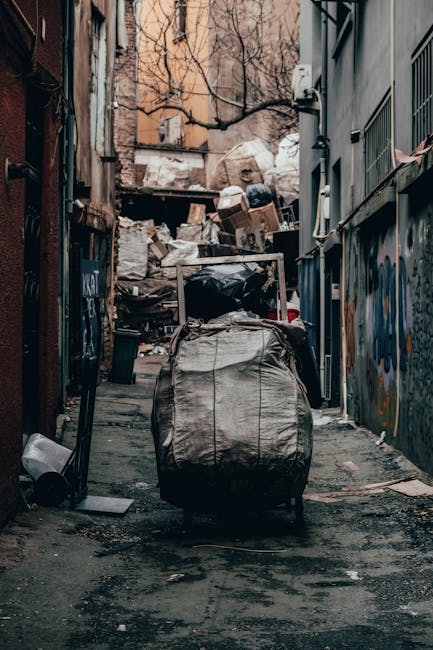
Willesden Bulky Rubbish Removal After Flat Clearout: A Practical Local Guide
If you have just finished a flat clearout in Willesden, the hard work often isn't the sorting itself. It's the bulky stuff left behind at the end: the old sofa that won't fit down the stairs, the broken wardrobe, the mattress nobody wants, the battered table, the odds and ends that somehow multiply when a flat is emptied. That is where Willesden bulky rubbish removal after flat clearout becomes the sensible next step. It clears the final clutter, keeps the property tidy, and saves you from the awkward "what do we do with this now?" moment that can stretch an otherwise smooth move-out into a messy one.
This guide explains how bulky rubbish removal works after a flat clearout, what to expect, where the real bottlenecks tend to happen, and how to avoid costly mistakes. If you want a clear, local, no-nonsense overview before booking anything, you're in the right place.
Expert summary: After a flat clearout, bulky waste is usually best handled as a separate final sweep rather than left to chance. Plan access, identify reusable items, separate furniture from general rubbish, and choose a service that can lift, load, and dispose of everything responsibly in one visit. Simple, but it saves a lot of headaches.
Table of Contents
- Why Willesden bulky rubbish removal after flat clearout Matters
- How Willesden bulky rubbish removal after flat clearout Works
- Key Benefits and Practical Advantages
- Who This Is For and When It Makes Sense
- Step-by-Step Guidance
- Expert Tips for Better Results
- Common Mistakes to Avoid
- Tools, Resources and Recommendations
- Law, Compliance, Standards, or Best Practice
- Options, Methods, or Comparison Table
- Case Study or Real-World Example
- Practical Checklist
- Conclusion
- Frequently Asked Questions
Why Willesden bulky rubbish removal after flat clearout Matters
A flat clearout can make a place look dramatically better in a single afternoon, but bulky items usually sit outside that neat finish. They block hallways, make staging harder, and can leave a poor impression if you're handing the flat back to a landlord, letting agent, buyer, or building manager. In Willesden, where many homes are in converted flats, mansion blocks, or smaller properties with tighter access, bulky furniture can be a genuine obstacle. One awkward corner, a narrow staircase, or a shared entrance and suddenly the job is no longer "just a quick tidy-up".
There's also the practical side. Bulky items are not always accepted in ordinary household bins, and leaving them in communal spaces can annoy neighbours very quickly. To be fair, nobody wants to come home and find a dismantled wardrobe waiting by the front door. A proper removal step keeps the property usable, helps you meet handover expectations, and reduces the risk of disputes about leftover waste.
It also matters because a flat clearout is often time-sensitive. End of tenancy deadlines, probate dates, sale completion dates, refurbishment starts, or a move-out day all tend to come with pressure attached. Once the smaller clutter is gone, the remaining bulky items become the visible bottleneck. That is often the point where people realise they need a dedicated service rather than another carload, another favour from a friend, or another weekend lost to lifting heavy furniture.
If your clearout includes mixed waste, furniture, or leftover household items, it can help to think of the job in stages. General clearing, then furniture separation, then final disposal. For many people, pairing bulky waste removal with a broader flat clearance approach is the cleanest way to finish the job without leaving stragglers behind.
How Willesden bulky rubbish removal after flat clearout Works
In plain English, bulky rubbish removal after a flat clearout is the process of collecting large, heavy, or awkward items that are no longer needed and taking them away for responsible disposal. This usually includes furniture, mattresses, white goods, disassembled shelving, broken homeware, and mixed bulky household waste. The exact items accepted depend on the service provider and the type of waste involved, but the process itself is usually straightforward.
What usually happens on the day
- Initial assessment: The team checks what needs removing, how much there is, and how easy it is to access.
- Loading plan: Items are organised so the largest pieces come out safely and the route is kept clear.
- Lifting and removal: Furniture and bulky items are carried out, often with care around walls, stairwells, and door frames.
- Sorting: Reusable, recyclable, and general waste streams may be separated where possible.
- Disposal or onward handling: Items are transported to the relevant disposal or recovery route.
In practical terms, the cleaner the flat is before removal, the faster the process tends to be. If a sofa is buried behind bags, boxes, and a leaning stack of storage tubs, you will notice the job takes longer. That sounds obvious, but people forget it in the final rush.
Some removals are as simple as a few pieces of large furniture. Others are more like a mixed clearout with leftovers from a tenancy. If you have a mix of chairs, old appliances, and loose rubbish after the main clearout, a broader rubbish removal service may be the more practical fit. If the items are mainly furniture, a more focused furniture disposal solution usually makes more sense.
One thing worth saying: the access conditions in flats matter a lot. Lift access, parking availability, stair width, and whether the item can be dismantled all influence how the removal is handled. A four-bedroom house-style wardrobe that has to travel through a narrow landing is a very different job from a small armchair at ground level. Not glamorous, but that's the reality.
Key Benefits and Practical Advantages
The obvious benefit is that the bulky rubbish disappears. But the real value goes further than that. A good removal job after a flat clearout can reduce stress, save time, and make the handover feel properly finished rather than half-done.
- Faster property handover: Empty rooms are easier to inspect, clean, and photograph.
- Less physical strain: Bulky waste is awkward, heavy, and sometimes unsafe to move without help.
- Better use of time: You avoid multiple trips to a tip or repeated sorting sessions.
- Cleaner shared spaces: Hallways and entrances stay clear, which matters in flats.
- Improved presentation: The property looks genuinely clear rather than "mostly clear".
- Lower stress at the end of a move: This is a real one. End-of-tenancy weeks are chaotic enough already.
Another practical advantage is flexibility. Not every clearance produces the same kind of waste. A flat could contain one heavy sofa, a mattress, and a few dismantled units; another could have enough mixed waste to justify a more general waste clearance approach. Having the right service means you don't overcomplicate the job, and you don't pay for more than you need.
There is also a local convenience factor. In a place like Willesden, where parking and access can be a bit of a juggling act, being able to remove bulky items in one organised visit is a relief. No repeated lifting. No wondering whether the landlord will object to a pile of furniture in the garden. Just done. Cleanly done.
Who This Is For and When It Makes Sense
This type of removal is not just for people who are moving house. It helps in a surprisingly wide set of situations, especially where a flat has been emptied and the last stage involves awkward leftovers.
- Tenants moving out: When you want to leave the flat clear and avoid deductions or last-minute panic.
- Landlords and letting agents: For turnaround between occupiers, especially after furniture abandonment.
- Homeowners selling a flat: Empty rooms show better and are easier to prepare for viewings.
- Probate clearouts: When a property needs to be emptied respectfully and methodically.
- Refurbishment projects: Old furniture and surplus items need to go before work starts.
- Flat sharers: The classic "whose sofa is this?" situation. Happens more than people admit.
It also makes sense if you have already done most of the clearout yourself but hit the point where the remaining items are simply too large or inconvenient to handle. That half-finished stage is where people often get stuck. You've done the boxes, the clothes, the kitchen bits, maybe even the old lamp in the corner. But the sofa is still there. The wardrobe is still there. The mattress is still there. And it's not moving itself, sadly.
If your clearout crosses into other parts of the property, some services are more suitable than others. For example, if the job has spread beyond one flat and includes storage areas, communal clutter, or side rooms, a broader home clearance or house clearance style service may be more appropriate than a narrow furniture-only collection.
Step-by-Step Guidance
If you want the removal to run smoothly, the best approach is to treat it like a small project rather than a last-minute scramble. Here is the process that usually works best.
1. Walk through the flat and list the bulky items
Start by noting every item you want removed. Include furniture, large storage pieces, mattresses, and any oversized rubbish that won't be handled through normal household disposal. A quick list saves time later. It also stops the annoying discovery of one extra item after the team has already started loading.
2. Separate what can be kept, donated, reused, or discarded
Not everything needs to be treated as waste. A solid wooden table or usable shelving may still have value elsewhere. Even if you are not reselling anything yourself, it helps to know which items are definitely rubbish and which are borderline. The more decisive you are here, the cleaner the end result.
3. Measure awkward items and check access
Measure large furniture where there is any doubt. Check stair width, lift size, and the route out of the property. If a bed frame needs dismantling, say so early. A few minutes of checking can prevent a very awkward surprise at the front door.
4. Group items near the exit, if safe to do so
Where possible, place items in one accessible location. That might be near the hall, by the front door, or in a room with clear access. Do not block fire exits, communal corridors, or other residents' access. Safety first. Always.
5. Choose the right collection type
For furniture-heavy jobs, a furniture-focused service often works best. For mixed waste, a general rubbish or waste collection may be smarter. If you are unsure, a rubbish collection service can sometimes be the simpler option when the load includes both large and smaller discarded items.
6. Confirm what happens after collection
Responsible disposal matters. Ask how the waste will be handled and whether any items are suitable for recycling or recovery. You do not need a lecture on waste hierarchy, just a clear answer. Simple is fine.
7. Do a final room-by-room check
After the bulky items have gone, walk the flat once more. Check behind doors, on balconies, in cupboards, and under beds. The amount of forgotten stuff people find in that final sweep is slightly ridiculous. Keys, chargers, random screws, a missing shoe. It all turns up at the worst moment.
Expert Tips for Better Results
After enough flat clearouts, a few patterns become obvious. The jobs that go well are usually the ones that are prepared in a calm, practical way. Not fancy. Just organised.
- Keep one "decision pile" and one "remove pile". Mixing the two slows everything down.
- Dismantle only when it genuinely helps. Some furniture comes apart easily. Some becomes a loose pile of regret. Choose wisely.
- Clear pathways before collection day. A straight route saves time and reduces the chance of scuffs.
- Photograph unusual items in advance. This helps if there is anything awkward or especially bulky.
- Book with the broader flat plan in mind. If the flat still has clutter, consider pairing the bulky removal with a dedicated rubbish clearance approach rather than dealing with the hard bits separately.
One small but useful tip: if a flat has been lived in for years, hidden bulky items often lurk in balconies, basements, and storage cupboards. Those spaces are easy to forget because they look harmless at first glance. Then you open the door and, well, hello old office chair. Nice to see you again, not.
Another thing. If access is tight, tell the provider before the job starts, not after the first item is halfway down the stairwell. That one detail can change the whole pace of the removal.
Common Mistakes to Avoid
A lot of the stress around flat clearouts comes from avoidable mistakes, not the removal itself. A little planning goes a long way.
- Leaving bulky items until the last hour: This creates pressure and makes sorting harder.
- Assuming everything can go together: Furniture, electrical items, and loose rubbish may need different handling.
- Blocking shared hallways: That's a quick way to cause complaints.
- Forgetting access details: Parking restrictions and narrow staircases matter more than people think.
- Not checking item condition: Some items may need special handling if broken, wet, or contaminated.
- Underestimating how much is left: "Just a couple of things" usually becomes a whole van-load. Funny how that works.
Another mistake is treating bulky rubbish removal as an isolated task when the flat still contains smaller leftover waste. If the room-by-room clearout is incomplete, you may end up needing a second visit or a broader waste removal solution. That is rarely ideal when you are already trying to finish and hand the keys back.
Tools, Resources and Recommendations
You do not need much to prepare well, but a few simple tools make the process easier.
- Measuring tape: Essential for furniture and tight access points.
- Sturdy gloves: Useful for sharp edges, splinters, and dusty items.
- Marker pens or labels: Great for separating keep, donate, and remove items.
- Basic screwdriver or Allen key set: Handy if items need dismantling.
- Cleaning cloths or dust sheets: Helpful once bulky items are out and you want to tidy the final space.
As for service types, think about the load first. Furniture-heavy clearouts often call for sofa removal or broader furniture handling. If the flat has a lot of mixed contents, the better fit may be an all-in-one clearance service rather than separating jobs into tiny pieces.
You can also make the task easier by deciding in advance what definitely stays, what definitely goes, and what needs a final decision. That tiny bit of discipline stops the entire flat from becoming a "maybe" zone. And nobody wants a maybe zone. They are exhausting.
Law, Compliance, Standards, or Best Practice
When bulky rubbish comes from a flat, the main compliance point is simple: waste should be handled responsibly and not abandoned in communal areas, on pavements, or beside bins. If you are disposing of items yourself, you need to make sure they are taken to an appropriate waste facility or collected through a legitimate route. If you are using a removal service, it is sensible to choose one that can handle the waste properly and give you confidence that the items will not end up fly-tipped.
It is also worth remembering that some items may need careful treatment. Electrical goods, items with sharp edges, contaminated materials, or anything that has been damaged by damp or pests may need separate handling. You do not need to become an expert in waste categories overnight, but you do need to be cautious. Common sense helps here, and a provider worth using should be clear about what they can and cannot take.
For flats, shared spaces matter too. Keeping corridors, stairwells, and exits clear is part of good practice, and in many buildings it is non-negotiable. If you are clearing out a property in a managed block, it is wise to check any building rules about collection timing, loading bays, or access arrangements. Nothing dramatic. Just the sort of detail that stops an easy job becoming an awkward one.
If the flat clearout also involves business-related contents, office furniture, or trade waste, a more specific business waste route may be more suitable. Likewise, if the job includes renovation debris rather than household items, builders waste handling is usually the better category to think about.
Options, Methods, or Comparison Table
There are a few ways people try to deal with bulky rubbish after a flat clearout. Some work better than others, depending on time, access, and how much lifting is involved.
| Method | Best for | Pros | Limitations |
|---|---|---|---|
| DIY disposal | Very small loads and flexible schedules | Potentially low direct cost | Time-consuming, physically demanding, multiple trips |
| Van hire and self-loading | People comfortable lifting and transporting items | More control over timing | Parking, loading, and disposal all fall on you |
| Specialist bulky removal | Furniture, mattresses, mixed large items | Fast, less strain, straightforward handover | Usually a paid service, depends on access and item type |
| Full flat clearance | When the property still contains lots of contents | More complete, less piecemeal work | May be more than you need for a small final load |
For most people in Willesden dealing with a post-clearout pile of furniture and mixed bulky waste, the specialist removal option wins on practicality. DIY can work for a tiny job, but once a mattress, wardrobe, and sofa are involved, the hassle climbs quickly. Truth be told, most people are happier paying for the logistics and keeping their back in one piece.
Case Study or Real-World Example
Imagine a two-bedroom flat in Willesden after a tenancy ends. The occupants have already packed their belongings, but the flat still contains an old sofa, a bed base, a wardrobe, a coffee table, and a few broken shelves. The landlord wants the place cleared before cleaners come in the next morning. The hallway is narrow, there is one awkward turn on the stairs, and parking outside is not generous.
In that scenario, a good plan would be to separate the items into what can be dismantled and what needs lifting intact. The wardrobe might come apart into panels. The bed base may need screws removed. The sofa may need two people to carry it safely. Once the route is clear, the items are taken out in one organised visit, leaving the flat ready for cleaning and inspection.
The key thing here is not drama. It is sequence. If the bulky rubbish is left until after the cleaners, it gets in the way. If it is removed before the final sweep, everything else becomes easier. You can hear the difference in the property too: less banging, less shuffling, less the sound of frustration echoing down a stairwell. That sounds small, but in real life it matters.
Practical Checklist
Use this checklist before booking or carrying out a bulky rubbish removal after a flat clearout in Willesden.
- List every bulky item that needs removing.
- Check whether anything can be reused, donated, or dismantled.
- Measure large furniture and tight access points.
- Confirm parking and stair access.
- Keep communal routes clear.
- Separate bulky items from smaller loose rubbish.
- Remove anything you want to keep before the clearance team arrives.
- Take photos of awkward or especially large pieces if needed.
- Check whether the job is furniture-only or mixed waste.
- Do a final room-by-room sweep after the removal.
Quick reminder: a flat looks fully cleared only when the bulky stuff is gone too. It's the final 10% that often takes 90% of the stress.
Conclusion
Willesden bulky rubbish removal after flat clearout is really about finishing well. Once the smaller items are packed away and the flat is nearly empty, the remaining bulky pieces are what determine whether the job feels done or half-finished. The right approach is simple: sort early, check access, separate waste properly, and choose a service that matches the real load rather than the ideal one.
That way, you protect your time, reduce stress, and leave the property ready for whatever comes next. A handover. A cleaning visit. A fresh tenancy. A sale. A clean slate. And that is a nice feeling, honestly.
Get a free quote today and see how much you can save.
Frequently Asked Questions
What counts as bulky rubbish after a flat clearout?
Bulky rubbish usually means large or awkward items that are difficult to dispose of through normal household waste. Common examples include sofas, mattresses, wardrobes, bed frames, tables, chairs, shelving, and oversized mixed rubbish from the clearout.
Can bulky items be removed from a flat with narrow stairs?
Yes, but access needs to be checked carefully. Narrow stairs, tight corners, and small landings can affect how items are moved. In some cases, dismantling furniture first makes the job much safer and quicker.
Do I need to separate furniture from general rubbish first?
It helps a lot. Separating furniture from loose rubbish makes the removal process faster and avoids confusion on the day. If the load is mixed, tell the provider in advance so they can plan the right approach.
How soon should I arrange bulky rubbish removal after a flat clearout?
Ideally, as soon as the clearout is mostly complete. Leaving bulky items until the final hour creates pressure and can delay handover. Booking once you know what remains is usually the most efficient approach.
What if I only have one sofa and a mattress to remove?
That still counts as bulky waste and can be worth arranging separately. A targeted removal is often better than trying to squeeze the job into general waste handling, especially if the items are large or heavy.
Can a bulky rubbish removal also handle smaller leftover items?
Often, yes. It depends on the service and the type of waste involved. If the flat still contains mixed clutter, a broader rubbish or waste clearance option may be more suitable than furniture removal alone.
What should I do with items that are still usable?
If an item is genuinely reusable, consider keeping it, passing it on, or arranging it separately from waste. It is always better to decide this before the collection day rather than after everything has been loaded.
Is it better to book a flat clearance or a furniture disposal service?
That depends on how much is left. If the flat is still full of contents, a flat clearance may be more appropriate. If the clearout is mostly done and the remaining items are bulky furniture, a furniture disposal service can be the better fit.
What happens if I forget an item after the removal?
It happens more often than people think. The best prevention is a final room-by-room check before the team leaves. Look in cupboards, balconies, storage areas, and behind doors because those forgotten corners always hide something.
Are there any items that need special care?
Yes. Electrical items, damaged goods, sharp objects, and anything contaminated or water-damaged may need extra caution. If you are unsure, describe the item clearly before the collection so it can be handled properly.
Can I combine bulky rubbish removal with a wider clearout?
Absolutely. In fact, that is often the most efficient way to do it. If you have more than just furniture left, combining the job with a general rubbish clearance or waste removal service can save time and reduce back-and-forth.
What is the best way to prepare a Willesden flat for bulky waste collection?
Make a clear list, measure awkward items, keep access routes open, and separate keep items from remove items. A little preparation makes the whole process smoother, especially in flats where access can be tight and time is short.
Learn more about the team behind the service if you want to understand how local collections are approached in a practical, straightforward way.
And if you are planning the wider clean-up across north west London, you can also explore the service area through north west London coverage and nearby locations such as Willesden Green, Kilburn, Harlesden, Kensal Rise, and Queen's Park.