Builders Waste in North West London
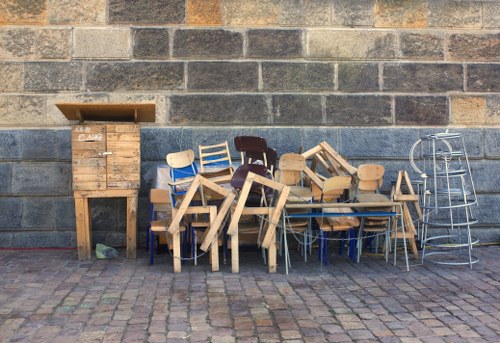
The image shows a collection of various wooden chairs and small tables, stacked and arranged outdoors against a grey cinder block wall. The chairs are of different styles, some with painted finishes in shades of blue, cream, and natural wood, while others are unpainted, revealing smooth, light-colored timber surfaces. A few chairs are stacked on top of each other, and some are leaning against the wall or positioned on their sides. To the left, there is a wooden storage cabinet with a slanted top and small compartments, also made of wood with a natural finish. The ground consists of cobbled paving stones, and the outdoor setting appears to be a yard or back alley used for storing unwanted or discarded furniture, consistent with rubbish removal services in the NW London area. The scene is evenly lit, with no visible weather effects, emphasizing the assortment of furniture items ready for collection or disposal, likely managed by Furniture Disposal North West London.

Managing builders waste in North West London is a crucial aspect of any construction project. Proper disposal not only ensures compliance with local regulations but also promotes environmental sustainability.

North West London is home to a vibrant construction industry, with numerous residential and commercial projects underway. This growth inevitably leads to the generation of significant amounts of construction debris and waste materials.

Efficient waste management solutions are essential to handle materials such as concrete, bricks, timber, metal, and other recyclable or non-recyclable items generated on-site.

A close-up view of a pile of mixed recyclable waste including glass bottles, plastic bottles, and plastic lids, primarily in green, blue, and yellow colors, with some metal cans and packaging. The bottles and caps are scattered on a surface, with some bottles partially crushed or empty. The background shows blurred foam packaging and slight hints of an indoor or outdoor area suitable for waste collection or disposal. The scene exemplifies typical rubbish that a professional waste removal service like Furniture Disposal North West London might handle in the NW London area, illustrating the variety of items collected during builders' or household waste clearance efforts. The image's natural lighting highlights the textures of the glass and plastic materials, emphasizing the need for proper disposal and recycling.

Understanding Builders Waste

Builders waste refers to all types of waste materials produced during construction, renovation, and demolition activities. In North West London, common types include:

  • Concrete and bricks
  • Timber and wood waste
  • Metal scraps
  • Dust and debris
  • Plastics and packaging materials

Proper classification and disposal of these materials are essential to minimize environmental impact and support recycling efforts.

A group of four diverse young adults, two men and two women, standing outdoors on a paved area, each holding black rubbish bags filled with waste. They are dressed casually, with some wearing denim jackets and others in plaid shirts, and are wearing yellow cleaning gloves. The background features a building with a wooden door and a bright, natural light illuminating the scene. The individuals are smiling and appear engaged in a community or environmental improvement activity, which relates to waste management and rubbish removal services provided by Furniture Disposal North West London across NW London. The image conveys a sense of teamwork and environmental responsibility in a residential or urban setting, highlighting the importance of proper waste collection and disposal efforts in the local area.

Regulations and Compliance

North West London adheres to stringent regulations concerning the disposal of builders waste. Compliance ensures that construction companies avoid legal repercussions and contribute to a cleaner environment.

Key regulations include:

  1. Waste Management Licensing: Companies must obtain appropriate licenses for waste collection and disposal.
  2. Recycling Mandates: Certain materials must be recycled or reused wherever possible.
  3. Safe Disposal Practices: Hazardous materials must be disposed of safely to prevent environmental contamination.

Staying informed about these regulations is vital for any construction project in the area.
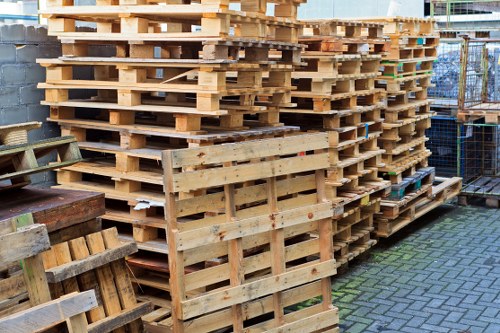
A neatly stacked pile of wooden pallets and crates situated outdoors on a paved surface, with several wooden pallets leaning against each other and a small wooden crate in the foreground. The pallets are made of light-colored, untreated timber with a rough texture and visible grain, arranged in multiple layers forming a large, stable tower. The background shows a metal fence and some construction site elements, indicating an industrial or building environment typical of waste removal or site clearance in NW London. The scene is lit by natural daylight, highlighting the varying textures of the wood and the clean, organized arrangement, which furnituredisposalnorthwestlondon.co.uk routinely manages as part of rubbish removal services for builders and construction sites in the local area.

Effective Waste Management Strategies

Implementing effective waste management strategies can significantly reduce the environmental footprint of construction projects. Here are some best practices:

  • Waste Segregation: Separate waste materials at the source to facilitate recycling and proper disposal.
  • Recycling and Reuse: Partner with local recycling facilities to ensure materials like metal, wood, and concrete are recycled.
  • Regular Waste Audits: Conduct audits to monitor waste generation and identify areas for improvement.
  • Employee Training: Educate staff on proper waste handling and disposal procedures.

Adopting these strategies not only complies with regulations but also enhances the sustainability of construction projects.

A smiling woman standing in a classroom holding a blue rubbish bin with a recycling symbol, with three children sitting at desks behind her. The children appear engaged, with some smiling directly at the camera, and are dressed in casual clothing. The classroom has light-colored walls, a chalkboard with some writing on it, and windows allowing natural light to fill the room. The scene suggests an emphasis on waste separation or recycling education, consistent with rubbish removal and waste management themes relevant to services provided by Furniture Disposal North West London. The background elements, including educational materials, reinforce a professional yet approachable setting for environmental awareness.

Choosing the Right Waste Disposal Partner

Selecting a reliable waste disposal partner in North West London is essential for efficient builders waste management. Consider the following factors:

  • Experience: Look for companies with a proven track record in handling construction waste.
  • Compliance: Ensure they adhere to all local regulations and have the necessary licenses.
  • Recycling Capabilities: Choose partners committed to recycling and sustainable practices.
  • Service Range: Opt for companies that offer comprehensive services, including collection, transportation, and disposal.

Partnering with the right disposal service can streamline waste management processes and reduce project costs.

The image shows a collection of various wooden chairs and small tables, stacked and arranged outdoors against a grey cinder block wall. The chairs are of different styles, some with painted finishes in shades of blue, cream, and natural wood, while others are unpainted, revealing smooth, light-colored timber surfaces. A few chairs are stacked on top of each other, and some are leaning against the wall or positioned on their sides. To the left, there is a wooden storage cabinet with a slanted top and small compartments, also made of wood with a natural finish. The ground consists of cobbled paving stones, and the outdoor setting appears to be a yard or back alley used for storing unwanted or discarded furniture, consistent with rubbish removal services in the NW London area. The scene is evenly lit, with no visible weather effects, emphasizing the assortment of furniture items ready for collection or disposal, likely managed by Furniture Disposal North West London.

Benefits of Proper Builders Waste Management

Effective management of builders waste offers numerous benefits, including:

  • Environmental Protection: Reduces pollution and conserves natural resources through recycling.
  • Cost Savings: Minimizes disposal fees and allows for the reuse of materials.
  • Regulatory Compliance: Avoids fines and legal issues by adhering to waste disposal laws.
  • Enhanced Reputation: Demonstrates a commitment to sustainability, improving company image.

These benefits highlight the importance of integrating waste management into construction planning.

A close-up view of a pile of mixed recyclable waste including glass bottles, plastic bottles, and plastic lids, primarily in green, blue, and yellow colors, with some metal cans and packaging. The bottles and caps are scattered on a surface, with some bottles partially crushed or empty. The background shows blurred foam packaging and slight hints of an indoor or outdoor area suitable for waste collection or disposal. The scene exemplifies typical rubbish that a professional waste removal service like Furniture Disposal North West London might handle in the NW London area, illustrating the variety of items collected during builders' or household waste clearance efforts. The image's natural lighting highlights the textures of the glass and plastic materials, emphasizing the need for proper disposal and recycling.

Innovative Recycling Solutions

North West London is at the forefront of adopting innovative recycling solutions for builders waste. Advanced technologies and methods are employed to maximize recycling rates and minimize landfill use.

Some cutting-edge solutions include:

  • Modular Recycling Facilities: Portable units that process waste on-site, reducing transportation needs.
  • Automated Sorting Systems: Technology-driven systems that efficiently separate different types of waste.
  • Material Recovery Facilities (MRFs): Specialized centers that manage the extraction and processing of recyclable materials.

These innovations enhance the efficiency and effectiveness of builders waste management in the region.

A group of four diverse young adults, two men and two women, standing outdoors on a paved area, each holding black rubbish bags filled with waste. They are dressed casually, with some wearing denim jackets and others in plaid shirts, and are wearing yellow cleaning gloves. The background features a building with a wooden door and a bright, natural light illuminating the scene. The individuals are smiling and appear engaged in a community or environmental improvement activity, which relates to waste management and rubbish removal services provided by Furniture Disposal North West London across NW London. The image conveys a sense of teamwork and environmental responsibility in a residential or urban setting, highlighting the importance of proper waste collection and disposal efforts in the local area.

Environmental Impact of Builders Waste

The improper disposal of builders waste can have severe environmental consequences. In North West London, managing waste responsibly is crucial to safeguarding the local ecosystem.

Key environmental impacts include:

  • Soil Contamination: Hazardous materials can seep into the soil, affecting plant life and groundwater.
  • Air Pollution: Improperly managed waste can release harmful pollutants into the air.
  • Wildlife Disruption: Waste can harm local fauna, disrupting natural habitats.
  • Resource Depletion: Landfilling waste reduces the availability of recyclable materials.

Addressing these impacts through proper waste management practices is essential for environmental preservation.

A neatly stacked pile of wooden pallets and crates situated outdoors on a paved surface, with several wooden pallets leaning against each other and a small wooden crate in the foreground. The pallets are made of light-colored, untreated timber with a rough texture and visible grain, arranged in multiple layers forming a large, stable tower. The background shows a metal fence and some construction site elements, indicating an industrial or building environment typical of waste removal or site clearance in NW London. The scene is lit by natural daylight, highlighting the varying textures of the wood and the clean, organized arrangement, which furnituredisposalnorthwestlondon.co.uk routinely manages as part of rubbish removal services for builders and construction sites in the local area.

Cost-Effective Waste Solutions

Managing builders waste doesn't have to be expensive. In North West London, various cost-effective solutions are available to construction companies.

Some strategies include:

  • Bulk Waste Collection: Scheduling regular bulk pickups can reduce costs compared to on-demand services.
  • Material Reuse: Reusing materials on-site minimizes the need for purchasing new materials and reduces waste disposal costs.
  • Recycling Partnerships: Collaborating with recycling firms can offer discounts and efficient waste processing.
  • Preventative Measures: Implementing measures to reduce waste generation at the source can lead to significant savings.

These approaches help manage builders waste efficiently while keeping expenses manageable.

A smiling woman standing in a classroom holding a blue rubbish bin with a recycling symbol, with three children sitting at desks behind her. The children appear engaged, with some smiling directly at the camera, and are dressed in casual clothing. The classroom has light-colored walls, a chalkboard with some writing on it, and windows allowing natural light to fill the room. The scene suggests an emphasis on waste separation or recycling education, consistent with rubbish removal and waste management themes relevant to services provided by Furniture Disposal North West London. The background elements, including educational materials, reinforce a professional yet approachable setting for environmental awareness.

Future Trends in Builders Waste Management

The landscape of builders waste management in North West London is evolving, with several trends shaping the future.

Emerging trends include:

  • Digital Waste Tracking: Utilizing software to monitor and manage waste generation and disposal in real-time.
  • Circular Economy Models: Emphasizing the reuse and recycling of materials to create a closed-loop system.
  • Green Building Practices: Integrating sustainable waste management into the design and construction phases.
  • Increased Automation: Implementing automated systems for waste sorting and processing to enhance efficiency.

Staying abreast of these trends can help construction companies in North West London adopt innovative and sustainable waste management practices.

The image shows a collection of various wooden chairs and small tables, stacked and arranged outdoors against a grey cinder block wall. The chairs are of different styles, some with painted finishes in shades of blue, cream, and natural wood, while others are unpainted, revealing smooth, light-colored timber surfaces. A few chairs are stacked on top of each other, and some are leaning against the wall or positioned on their sides. To the left, there is a wooden storage cabinet with a slanted top and small compartments, also made of wood with a natural finish. The ground consists of cobbled paving stones, and the outdoor setting appears to be a yard or back alley used for storing unwanted or discarded furniture, consistent with rubbish removal services in the NW London area. The scene is evenly lit, with no visible weather effects, emphasizing the assortment of furniture items ready for collection or disposal, likely managed by Furniture Disposal North West London.

Community and Environmental Initiatives

Community involvement and environmental initiatives play a vital role in managing builders waste effectively. In North West London, several programs encourage sustainable practices.

Initiatives include:

  • Recycling Drives: Organizing events to collect and recycle construction waste materials.
  • Educational Workshops: Providing training and resources to promote sustainable waste management among builders.
  • Partnerships with Local Authorities: Collaborating with councils to implement effective waste disposal strategies.
  • Green Certifications: Achieving certifications that recognize sustainable waste management efforts.

These initiatives foster a culture of responsibility and sustainability within the construction industry.

A close-up view of a pile of mixed recyclable waste including glass bottles, plastic bottles, and plastic lids, primarily in green, blue, and yellow colors, with some metal cans and packaging. The bottles and caps are scattered on a surface, with some bottles partially crushed or empty. The background shows blurred foam packaging and slight hints of an indoor or outdoor area suitable for waste collection or disposal. The scene exemplifies typical rubbish that a professional waste removal service like Furniture Disposal North West London might handle in the NW London area, illustrating the variety of items collected during builders' or household waste clearance efforts. The image's natural lighting highlights the textures of the glass and plastic materials, emphasizing the need for proper disposal and recycling.

Challenges in Builders Waste Management

Despite advancements, managing builders waste in North West London presents several challenges. Identifying and addressing these challenges is essential for effective waste management.

Key challenges include:

  • High Volume of Waste: Large construction projects generate significant amounts of waste, complicating disposal efforts.
  • Variety of Materials: Diverse waste types require specialized handling and disposal methods.
  • Regulatory Compliance: Keeping up with changing regulations can be resource-intensive.
  • Cost Constraints: Budget limitations may restrict access to advanced waste management solutions.

Addressing these challenges involves strategic planning, investment in technology, and continuous education on best practices.

A group of four diverse young adults, two men and two women, standing outdoors on a paved area, each holding black rubbish bags filled with waste. They are dressed casually, with some wearing denim jackets and others in plaid shirts, and are wearing yellow cleaning gloves. The background features a building with a wooden door and a bright, natural light illuminating the scene. The individuals are smiling and appear engaged in a community or environmental improvement activity, which relates to waste management and rubbish removal services provided by Furniture Disposal North West London across NW London. The image conveys a sense of teamwork and environmental responsibility in a residential or urban setting, highlighting the importance of proper waste collection and disposal efforts in the local area.

Innovative Solutions to Overcome Challenges

To overcome the challenges in builders waste management, North West London is adopting innovative solutions:

  • Integrated Waste Management Systems: Combining various waste handling processes into a unified system for efficiency.
  • Advanced Recycling Technologies: Utilizing state-of-the-art technologies to improve recycling rates and material recovery.
  • Collaborative Networks: Building networks among construction firms, recycling centers, and local authorities to streamline waste management.
  • Incentive Programs: Providing incentives for companies that adopt sustainable waste practices.

These solutions enhance the capability to manage builders waste effectively and sustainably.

A neatly stacked pile of wooden pallets and crates situated outdoors on a paved surface, with several wooden pallets leaning against each other and a small wooden crate in the foreground. The pallets are made of light-colored, untreated timber with a rough texture and visible grain, arranged in multiple layers forming a large, stable tower. The background shows a metal fence and some construction site elements, indicating an industrial or building environment typical of waste removal or site clearance in NW London. The scene is lit by natural daylight, highlighting the varying textures of the wood and the clean, organized arrangement, which furnituredisposalnorthwestlondon.co.uk routinely manages as part of rubbish removal services for builders and construction sites in the local area.

Case Studies: Successful Waste Management in Action

Examining successful case studies in North West London highlights effective strategies for builders waste management.

Case Study 1: A large residential development implemented a comprehensive waste segregation system, resulting in a 60% reduction in landfill waste.

Case Study 2: A commercial project partnered with local recycling facilities to reuse timber and metal, significantly lowering disposal costs.

Case Study 3: A renovation project utilized on-site modular recycling units, enhancing the efficiency of waste processing and minimizing environmental impact.

A smiling woman standing in a classroom holding a blue rubbish bin with a recycling symbol, with three children sitting at desks behind her. The children appear engaged, with some smiling directly at the camera, and are dressed in casual clothing. The classroom has light-colored walls, a chalkboard with some writing on it, and windows allowing natural light to fill the room. The scene suggests an emphasis on waste separation or recycling education, consistent with rubbish removal and waste management themes relevant to services provided by Furniture Disposal North West London. The background elements, including educational materials, reinforce a professional yet approachable setting for environmental awareness.

Lessons Learned from Case Studies

These case studies offer valuable lessons for effective builders waste management:

  • Early Planning: Incorporating waste management strategies from the project's inception ensures better outcomes.
  • Collaboration: Working closely with waste disposal partners enhances efficiency and compliance.
  • Flexibility: Adapting strategies to the specific needs of each project can optimize waste management practices.
  • Continuous Improvement: Regularly reviewing and updating waste management processes leads to sustained improvements.

Applying these lessons can help other projects achieve similar success in waste management.

The image shows a collection of various wooden chairs and small tables, stacked and arranged outdoors against a grey cinder block wall. The chairs are of different styles, some with painted finishes in shades of blue, cream, and natural wood, while others are unpainted, revealing smooth, light-colored timber surfaces. A few chairs are stacked on top of each other, and some are leaning against the wall or positioned on their sides. To the left, there is a wooden storage cabinet with a slanted top and small compartments, also made of wood with a natural finish. The ground consists of cobbled paving stones, and the outdoor setting appears to be a yard or back alley used for storing unwanted or discarded furniture, consistent with rubbish removal services in the NW London area. The scene is evenly lit, with no visible weather effects, emphasizing the assortment of furniture items ready for collection or disposal, likely managed by Furniture Disposal North West London.

Technological Innovations in Waste Management

Technology plays a pivotal role in transforming builders waste management in North West London. Innovative technologies enhance efficiency, accuracy, and sustainability.

Notable technological advancements include:

  • Waste Tracking Software: Systems that monitor and manage waste generation, collection, and disposal in real-time.
  • Automated Sorting Machines: Devices that categorize waste materials automatically, improving recycling rates.
  • Drones for Site Monitoring: Utilizing drones to oversee waste accumulation and ensure proper management on construction sites.
  • AI-Powered Analytics: Leveraging artificial intelligence to analyze waste data and optimize management strategies.

Integrating these technologies can significantly improve the effectiveness of waste management practices.

A close-up view of a pile of mixed recyclable waste including glass bottles, plastic bottles, and plastic lids, primarily in green, blue, and yellow colors, with some metal cans and packaging. The bottles and caps are scattered on a surface, with some bottles partially crushed or empty. The background shows blurred foam packaging and slight hints of an indoor or outdoor area suitable for waste collection or disposal. The scene exemplifies typical rubbish that a professional waste removal service like Furniture Disposal North West London might handle in the NW London area, illustrating the variety of items collected during builders' or household waste clearance efforts. The image's natural lighting highlights the textures of the glass and plastic materials, emphasizing the need for proper disposal and recycling.

Sustainable Practices for the Future

Embracing sustainable practices is essential for the future of builders waste management in North West London. Sustainability not only benefits the environment but also enhances the long-term viability of construction projects.

Key sustainable practices include:

  • Green Building Certifications: Achieving certifications like BREEAM or LEED that recognize sustainable construction and waste management.
  • Renewable Energy Integration: Using renewable energy sources to power waste management systems.
  • Zero-Waste Goals: Striving to eliminate waste through comprehensive recycling, reuse, and reduction strategies.
  • Biodegradable Materials: Utilizing materials that can decompose naturally, reducing environmental impact.

Adopting these practices ensures that waste management remains sustainable and forward-thinking.

A group of four diverse young adults, two men and two women, standing outdoors on a paved area, each holding black rubbish bags filled with waste. They are dressed casually, with some wearing denim jackets and others in plaid shirts, and are wearing yellow cleaning gloves. The background features a building with a wooden door and a bright, natural light illuminating the scene. The individuals are smiling and appear engaged in a community or environmental improvement activity, which relates to waste management and rubbish removal services provided by Furniture Disposal North West London across NW London. The image conveys a sense of teamwork and environmental responsibility in a residential or urban setting, highlighting the importance of proper waste collection and disposal efforts in the local area.

Conclusion: Taking Action for Better Waste Management

Effective builders waste management in North West London is vital for environmental sustainability, regulatory compliance, and cost efficiency. By implementing strategic waste management practices, collaborating with reliable partners, and embracing technological innovations, construction projects can significantly reduce their environmental footprint.

Don't let waste management challenges hinder your project’s success. Contact us today to learn more about our comprehensive waste management services and how we can help you achieve your sustainability goals.

Frequently Asked Questions

We utilize state-of-the-art equipment and industry-approved methods to efficiently remove and manage builders waste. Our fleet includes licensed skip loaders and specialized machinery to handle all types of construction debris safely. Trust our experienced team to keep your site clean and compliant. Contact our team for a quick quote.

Yes, we hold accreditations from leading industry bodies such as the Environmental Protection Agency (EPA) and the Waste Management Association. These certifications demonstrate our commitment to maintaining high standards in waste management. Rely on our trusted services backed by recognized credentials.

Absolutely. We are fully certified and insured, ensuring that all waste disposal practices meet legal requirements. Our comprehensive insurance covers any unforeseen incidents, providing peace of mind for your construction project. Choose a legally compliant and reliable waste management partner.

We proudly recycle over 80% of the builders waste we collect, minimizing landfill use and promoting sustainability. Our processes prioritize sorting and recycling materials like concrete, wood, and metal. Partner with us to ensure your project is environmentally responsible.

With over 15 years of experience serving the [Location] area, we have built a proven track record of reliable and efficient builders waste management. Our long-standing presence ensures you receive top-notch service backed by extensive industry knowledge.

Yes, we offer competitive pricing tailored to projects of any scale. Whether you’re handling a small renovation or a large construction site, our affordable waste removal solutions are designed to fit your budget without compromising quality.

Safety is our top priority. We adhere to strict safety protocols and use specialized equipment to handle waste efficiently and securely. Our trained professionals ensure that all disposal activities comply with safety regulations, protecting your site and our team.

Absolutely. Our team is highly trained and committed to handling all builders waste with the utmost care and confidentiality. We understand the importance of trust and maintain strict protocols to ensure your sensitive waste is managed responsibly.

We pride ourselves on complete transparency in our pricing and services. You’ll receive a clear, detailed quote with no hidden fees, and we communicate all aspects of our waste management process upfront. Experience honest and straightforward service with us.

Our ethical practices include responsible recycling, minimizing landfill use, and ensuring all waste is handled in compliance with environmental regulations. We are dedicated to sustainable and fair waste management, supporting both your project and the community.

Yes, all our builders waste services are fully licensed and insured. This guarantees that our operations meet industry standards and that you are protected against any liabilities. Trust our licensed and insured team for all your waste management needs.

Scheduling with us is easy and convenient. Simply contact our friendly team with your project details, and we’ll arrange a prompt and reliable waste removal service tailored to your needs. Let us handle your builders waste efficiently—reach out today for a quick quote.
Furniture Disposal North West London

Discover effective builders waste management strategies in North West London. Learn about regulations, recycling solutions, and sustainable practices to ensure compliance and environmental sustainability.

Book Your Service Now

Get In Touch With Us.

Please fill out the form below to send us an email and we will get back to you as soon as possible.